
Stucco Repair and Painting: Restoring Beauty and Durability
April 18, 2026
Stucco surfaces are widely valued in residential and commercial architecture for their durability, texture, and timeless visual appeal. However, exposure to weather fluctuations, moisture intrusion, and structural settling gradually leads to cracks, fading, and surface deterioration. Stucco repair and painting play a critical role in restoring both the structural integrity and aesthetic quality of these exteriors. When properly maintained, stucco can last for decades while preserving its protective function and design appeal. Consistent upkeep also helps prevent minor surface issues from developing into costly structural concerns over time.
Modern building maintenance emphasizes not only cosmetic enhancement but also long-term preservation of structural materials. Stucco repair combined with professional painting techniques ensures that surface damage is corrected while creating a protective barrier against future environmental wear. This process is essential for maintaining property value and preventing costly structural repairs in the future. It also supports improved resistance against moisture penetration, UV exposure, and seasonal temperature changes.
Restoration of stucco surfaces requires a strategic approach that balances repair accuracy with coating performance. Surface preparation, crack treatment, color selection, and application technique all contribute to the final outcome. When executed with precision, stucco restoration transforms aged and worn surfaces into visually refined, weather-resistant exteriors that enhance curb appeal and durability. Proper execution also ensures long-lasting performance and reduces the frequency of future maintenance interventions.
Understanding Stucco Damage and Surface Deterioration
Common Causes of Stucco Failure
Stucco damage typically develops due to prolonged exposure to environmental stressors. Temperature fluctuations cause expansion and contraction, leading to surface cracking. Moisture infiltration is another major contributor, especially in regions with heavy rainfall or poor drainage systems. Over time, these conditions weaken the bond between stucco layers, resulting in visible defects and hidden structural concerns developing.
Types of Stucco Damage
Surface cracks are the most common issue, ranging from hairline fractures to structural splits. Hairline cracks indicate surface shrinkage, while wider cracks suggest foundation movement or poor installation. Discoloration results from water stains, mold growth, or UV exposure. Severe cases show bulging or detachment, indicating trapped moisture behind the surface, requiring timely professional restoration and repair work.
Early Detection and Assessment
Early identification of damage is essential for preventing extensive repairs. Regular inspections help detect minor cracks before they expand into larger structural issues. Tapping the surface can reveal hollow sounds, indicating delamination beneath the exterior layer. Proper assessment ensures that repair strategies address both visible damage and underlying causes, improving long-term restoration effectiveness over extended periods.
Stucco Repair Techniques and Surface Restoration Methods
Crack Filling and Structural Patching
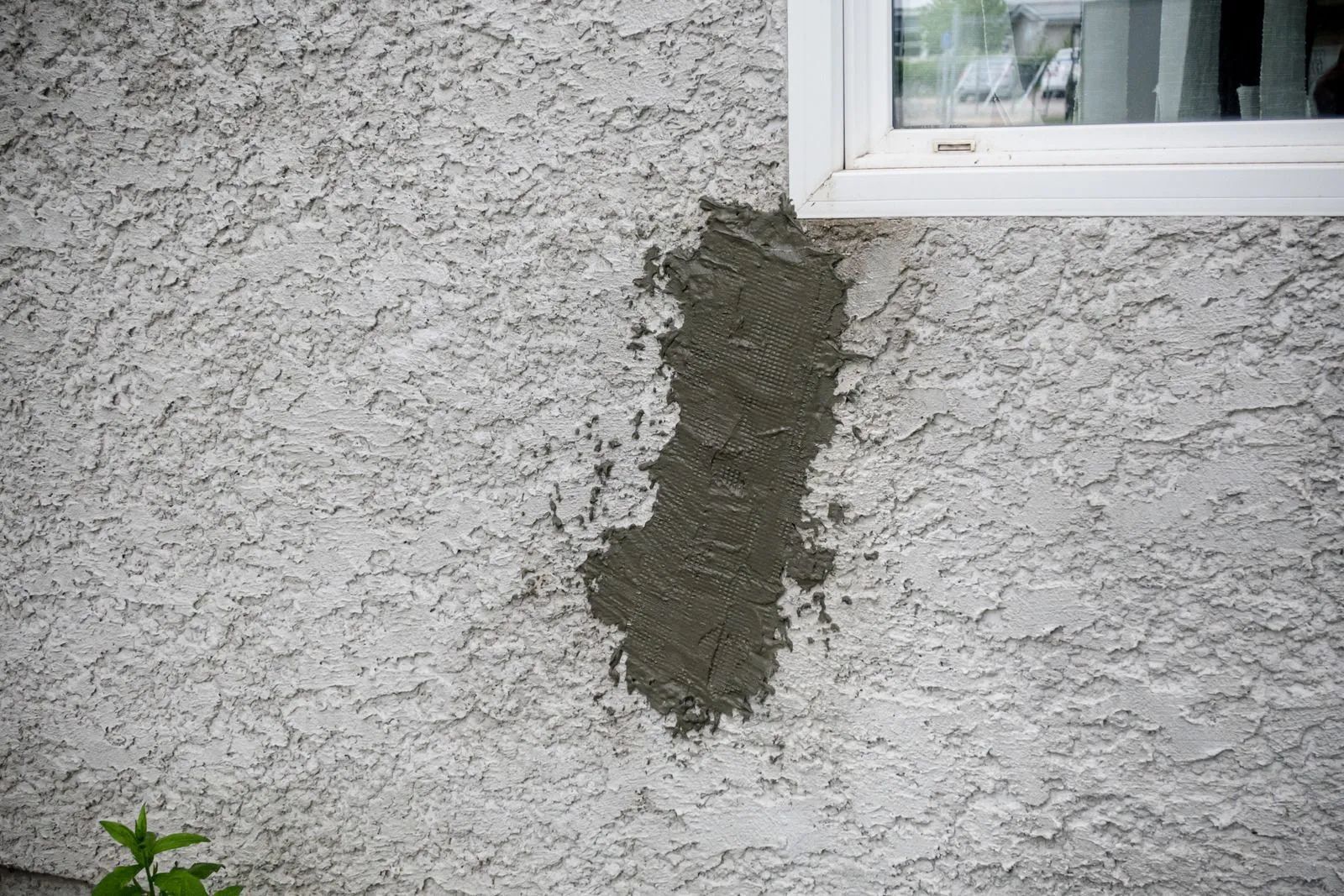
Effective stucco repair begins with proper crack treatment. Small cracks are typically filled using elastomeric patching compounds that expand and contract with the surface. Larger cracks require reinforcement with mesh materials before applying a bonding layer. This ensures structural stability and prevents recurrence of damage in the same area, under carefully controlled professional repair application conditions.
Moisture Control and Substrate Preparation
Moisture control is a critical step in stucco restoration. Any trapped water behind the surface must be addressed before repair begins. Damaged sections are carefully removed to expose the underlying substrate, allowing proper drying and inspection. A clean and dry base ensures better adhesion of repair materials and reduces the risk of future deterioration, significantly improving.
Surface Leveling and Texture Matching
One of the most challenging aspects of stucco repair is achieving seamless texture matching. Skilled application techniques are required to replicate the original finish, whether smooth, sanded, or heavily textured. Surface leveling compounds are applied in layers to ensure uniformity, followed by blending techniques that integrate repaired sections with existing surfaces for consistent visual restoration results.
Reinforcement for Long-Term Stability
In areas with recurring damage, reinforcement methods are essential. Fiberglass mesh and bonding agents strengthen repaired sections and distribute stress evenly across the surface. This reduces the likelihood of future cracking and improves the overall durability of the stucco system, especially in climates with extreme temperature variations, ensuring long-term structural integrity and performance reliability consistently.
Stucco Painting Systems and Protective Coatings
Importance of Proper Surface Priming
Priming is a foundational step in stucco painting that ensures strong adhesion between the surface and the coating. A high-quality primer seals porous areas, reduces absorption, and creates a uniform base for paint application. Without proper priming, paint may peel, fade, or absorb unevenly, reducing the lifespan of the finish while improving long-term surface performance.
Elastomeric Paint Applications
Elastomeric coatings are widely used for stucco surfaces due to their flexibility and waterproofing properties. These coatings form a thick protective layer that bridges hairline cracks and prevents moisture penetration. Their elasticity allows them to expand and contract with temperature changes, maintaining surface integrity over time, providing superior durability and weather resistance for stucco exteriors effectively.
Color Selection and Aesthetic Enhancement
Color choice plays a significant role in exterior restoration. Lighter shades often reflect heat, making them suitable for warmer climates, while darker tones create a bold architectural presence. Consistent color application enhances curb appeal and modernizes aging structures. Proper pigmentation ensures resistance to UV fading and long-term vibrancy, supporting durable aesthetic improvement across exterior surfaces effectively.
Application Techniques for Uniform Finish
Professional painting techniques ensure even coverage and smooth finishes. Spray applications are commonly used for large stucco surfaces, while rolling and brushing are applied for detailed areas. Multiple coats are often necessary to achieve full coverage and consistent texture. Attention to application timing and drying conditions is essential for optimal results, ensuring a flawless exterior paint finish.
Challenges and Best Practices in Stucco Restoration
Weather-Related Constraints
Weather conditions significantly impact stucco repair and painting outcomes. High humidity can delay curing, while extreme heat may cause rapid drying and surface cracking. Scheduling work during stable weather conditions ensures better adhesion and uniform finish quality. Careful planning and monitoring of environmental conditions ensures consistent application and prevents premature coating failure risks overall project success.
Surface Compatibility Issues
Older stucco surfaces may contain incompatible previous coatings or mixed materials. These inconsistencies can affect adhesion and long-term durability. Proper surface testing and preparation help identify compatibility issues before repair begins, reducing the risk of premature coating failure, ensuring reliable restoration outcomes, and improving long-term surface performance across varied stucco systems consistently maintained quality standards.
Quality Control and Inspection
Quality assurance is essential throughout the restoration process. Each stage, from crack repair to final painting, must be inspected for consistency and durability. Identifying imperfections early allows for immediate correction, ensuring a flawless final result that meets performance standards supporting consistent workmanship excellence and long-term reliability across all completed stucco restoration projects, overall performance assurance.
Maintenance for Extended Lifespan
Post-restoration maintenance plays a key role in preserving stucco condition. Regular cleaning, inspection for new cracks, and timely touch-ups help extend the lifespan of the repair work. Preventive maintenance reduces long-term costs and maintains visual appeal over time, ensuring sustained exterior durability and reducing future repair frequency through proactive care strategies for long-term value preservation.
Benefits of Professional Stucco Repair and Painting
Enhanced Structural Protection
Proper stucco restoration strengthens the exterior envelope of a building, reducing vulnerability to moisture and environmental damage. Sealed surfaces prevent water intrusion, which helps protect internal wall structures from deterioration and ensures long-term stability and resilience across exterior surfaces.
Improved Energy Efficiency
Well-maintained stucco surfaces contribute to better insulation performance. Reduced air leakage and improved thermal resistance help maintain indoor temperature stability, lowering energy consumption for heating and cooling systems and supporting more efficient building performance throughout seasonal changes.
Increased Property Value
Restored stucco significantly improves curb appeal, which directly influences property valuation. A clean, uniform exterior creates a positive impression for potential buyers and enhances market competitiveness while strengthening overall investment returns for property owners.
Long-Term Cost Savings
Timely repair and painting prevent minor issues from escalating into major structural problems. Investing in restoration reduces the need for extensive future repairs, making it a cost-effective maintenance strategy over time and ensuring sustained building performance efficiency.
Precision Stucco Restoration Delivering Consistent Visual Excellence
Stucco repair and painting remain essential processes for preserving both the structural integrity and aesthetic value of exterior surfaces. When damage is addressed early and restoration is executed with precision, buildings maintain stronger resistance to environmental stress while achieving a refreshed visual appeal. Proper techniques, including crack treatment, surface preparation, and protective coating application, ensure long-lasting performance and reduced maintenance needs. A well-maintained stucco exterior reflects attention to detail and commitment to property care. Consistent upkeep not only enhances appearance but also strengthens long-term durability against moisture, heat, and natural wear.
J&M Painting Services operates with a strong foundation in professional painting and surface restoration solutions, backed by 35 years of experience. With extensive experience in interior and exterior painting, advanced surface preparation techniques, and a deep understanding of stucco systems, our approach prioritizes durability and visual excellence. Every project is handled with precision to ensure surfaces are restored to optimal condition while maintaining long-term protection. Serving Litchfield Park and Maricopa County, Arizona, we focus on delivering reliable craftsmanship that enhances property value and structural resilience. Our commitment is rooted in consistent quality, technical expertise, and dependable service execution across residential and commercial projects.