
Stucco Cracking and Flaking on Your Phoenix Home? What's Behind It
August 27, 2026
QUICK ANSWER: Most stucco cracking on Phoenix homes falls into three patterns: thin hairline cracks from normal curing shrinkage and daily temperature swings, web-like spider cracks from a weak or water-damaged base coat, and diagonal cracks that point to real structural movement. Flaking paint is usually a separate but related problem — coating applied over an unrepaired crack, a chalky surface, or moisture trapped behind the finish. Hairline cracks under about 1/16 inch are typically cosmetic. Anything wider, diagonal, or forming a grid pattern deserves a professional look before you paint over it, because sealing the wrong kind of crack just traps the real problem underneath.
You're walking the side yard and catch it out of the corner of your eye: a thin gray line zigzagging up from the corner of a window, and a few feet away, a patch of paint curling up like old wallpaper. Neither one looks dramatic on its own. Together, they're enough to make you wonder if the house is falling apart or if this is just what Phoenix stucco does after enough summers.
It's usually the second one, but not always. Stucco lives a hard life out here, and most homes pick up some cracking within the first few years. The trick isn't panicking over every line you find — it's knowing which lines matter and which ones are just the wall settling into its new normal.
Two Different Problems Wearing on the Same Wall
Cracking and flaking often show up together, but they're not the same failure. The crack is in the stucco itself, the hard cementitious coat troweled onto the wall. The flaking is in the paint film sitting on top of that stucco. Treat them as one problem and you'll paint over a crack that reopens in a season, or you'll patch a crack and ignore the reason the paint above it is peeling.
Stucco cracks because the material shrinks slightly as it cures, because the wall behind it expands and contracts with temperature, and sometimes because something underneath — the house frame, the foundation, the lath the stucco is anchored to — is actually moving. Paint flakes for its own set of reasons: it was rolled over dust or chalk, it went on too thick or too thin, moisture got behind it, or it was simply applied over a crack that kept working and eventually pushed the coating apart. Knowing which one started the chain tells a painter where to actually start fixing it.
The Three Crack Patterns You'll Actually See
Hairline cracks are the ones you'll find the most
Thin, roughly a sixteenth of an inch or narrower, they show up most often near window and door corners, where the wall flexes every time a frame heats up, cools down, or gets nudged during opening and closing. They come from ordinary curing shrinkage and daily expansion and contraction, and they're stress concentrating exactly where you'd expect — at a corner, a seam, an opening. On their own, a hairline crack isn't a structural red flag. It's stucco doing what stucco does.
Spider or map cracking tells a different story
Instead of one clean line, you get a web of interconnected cracks spreading across a section of wall, and that pattern points to trouble in the base coat underneath rather than just the surface. It shows up when the base coat wasn't mixed or cured correctly, when it went on during extreme heat and dried too fast, or when water has been getting behind the finish and softening the layers that hold everything together. A tech looking at spider cracking has to check whether moisture already breached the weather-resistant barrier before doing anything cosmetic, because patching over active water intrusion just hides it for a while.
Diagonal cracks are the ones to take seriously
Running at an angle, often starting at the corner of a window, door, or AC unit and cutting across the wall, these usually trace back to the house itself moving — foundation settlement, framing shift, or in rare cases seismic activity. A crack wider than about three-sixteenths of an inch, or one that runs in a straight diagonal line rather than a scattered web, is worth a real look before anyone reaches for caulk. Pattern and location tell you more than width alone: a crack that lines up with a window corner and keeps growing is a different animal than a shallow hairline near the same spot.
TIP: Run your finger along any crack you're worried about, and if you have one handy, slide the edge of a credit card into it. A card that won't fit, or barely catches, is dealing with something in the hairline range. A card that slides in with room to spare is a wider crack, and that's your cue to get a professional opinion rather than just filling it and moving on.
Why Flaking Follows Right Behind the Cracks
Paint doesn't flake off healthy stucco for no reason. Almost every case traces back to something the surface was doing before the paint ever went on. A crack left unfilled gives the coating a seam to split along, so as the crack keeps moving underneath, the paint bridging it eventually can't stretch anymore and lets go. A chalky, sun-worn surface gives fresh paint nothing solid to grip, so the film sits loosely on top and lifts at the first hard monsoon soak. And moisture that's found its way behind the coating, through a crack, a poorly sealed penetration, or a spot where waterproofing failed, pushes the paint off the wall from the inside as it tries to evaporate back out.
That's the part that trips people up: the flaking they see is often the paint reacting to a problem that started somewhere else. A patch of curling paint near a window corner isn't really a paint failure — it's a
stucco crack that was painted over instead of repaired, and the coating is now paying for it.
What a Proper Stucco Repair and Repaint Actually Involves
It starts with an actual inspection, not a guess
Before anything gets filled or painted, the wall needs to be read the way a painter reads it — walking every elevation, checking crack width and pattern, and pressing on any flaking paint to see how far the loose section extends. Hairline cracks near a window might get treated completely differently than a diagonal crack forming near the same opening, even though they look similar from ten feet away.
Cracks and holes get repaired with material that matches what's there
A proper crack repair isn't a bead of exterior caulk smeared over the line and forgotten. It calls for the right patching compound worked into the crack and feathered out, so the repair bonds to the surrounding stucco rather than sitting on top of it as its own separate patch that will eventually telegraph through the new paint.
Texture matching is where a repair either disappears or stands out forever
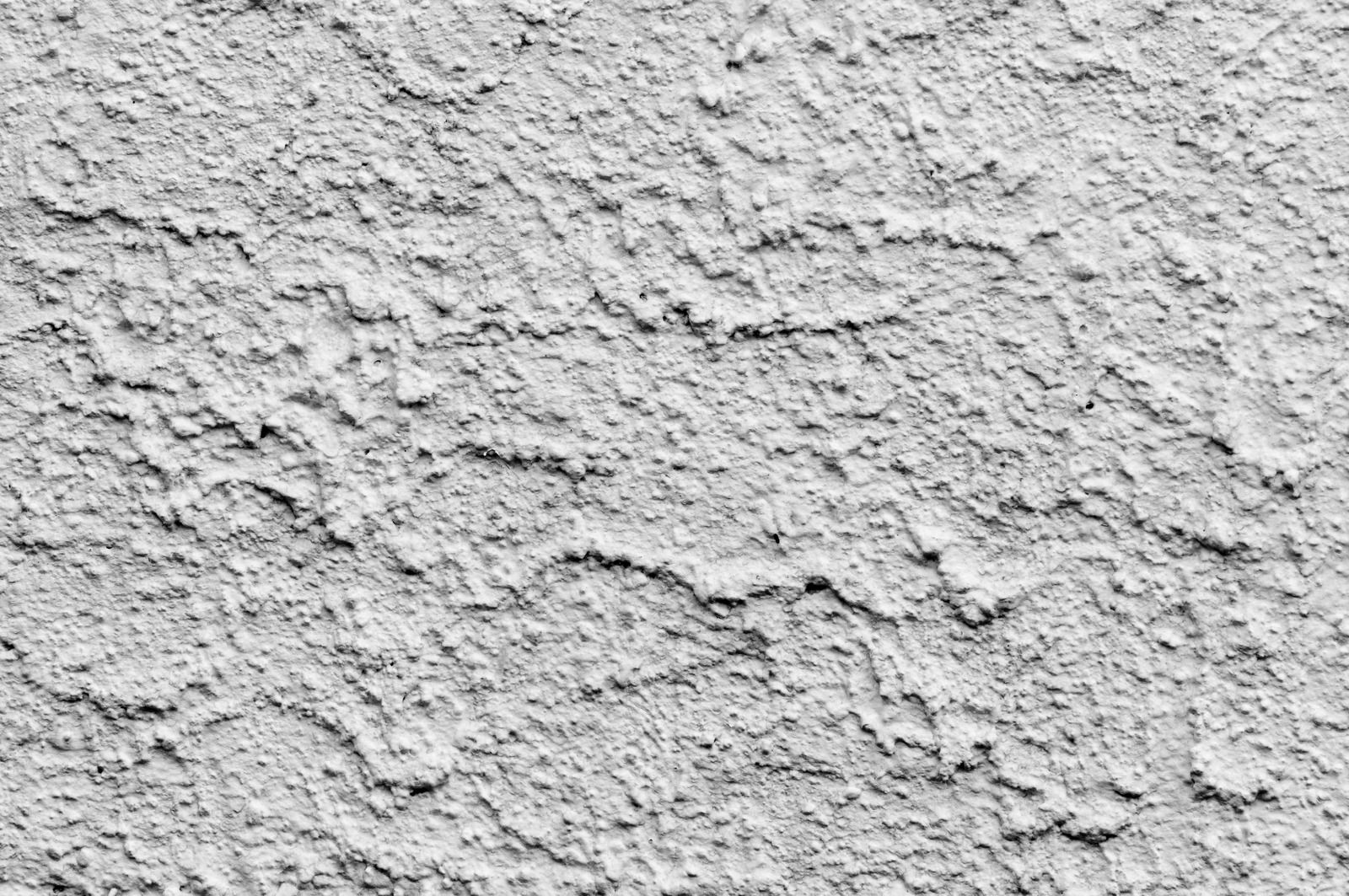
Phoenix stucco comes in a range of textures, smooth, sand, heavy dash, and a patch that doesn't replicate the surrounding pattern is going to be visible in raking afternoon light no matter how well the color matches. Getting this step right is what separates a repair you can point out to a guest from one nobody notices.
Then comes the waterproofing and protective coating, which is what keeps the next crack from opening as fast
A breathable elastomeric or waterproof coating applied over properly repaired stucco creates a flexible barrier that can move a little with the wall's daily expansion and contraction instead of splitting along with it, while also blocking the moisture intrusion that drives spider cracking and flaking in the first place.
WARNING: Don't caulk or paint over a diagonal crack, especially one near a window, door, or AC unit, without having someone qualified look at it first. Sealing a crack that's actively being caused by structural movement doesn't stop the movement — it just hides the crack until it reopens, usually wider, and by then it may have taken a chunk of fresh paint with it.
Finally, the finish coat goes on over a surface that's actually ready for it
Painting directly over unrepaired cracks or a chalky, unprepped wall is the single most common reason a stucco repaint fails within a year or two instead of holding for the better part of a decade. Prep isn't the part homeowners can see once the job is done, but it's the part that decides whether the job lasts.
Wiring behind brick and stone
This is where the fireplace wall earns its reputation as a pain. Running power and HDMI behind drywall is routine. Running them behind brick, natural stone, or manufactured veneer is a different animal, and there's often no open cavity to fish a wire through at all.
Left unsolved, you get a cord dangling down the stone like a shoelace nobody tied, which undoes the whole reason for mounting the TV up there. And a cable run too close to a firebox is its own hazard. The route has to be planned before the mount goes up, because after the screen is on the wall your options shrink to whatever's already there.
Map the whole path first. Where the power comes from, how the HDMI reaches the cable box or the streaming stick, and whether any of it passes near the heat. Some homes around Richmond and Spring were built with a recessed niche and outlets already set above the fireplace, which spares you the worst of this. Most weren't. Either way, the wiring plan comes before the drill, not after.
Frequently Asked Questions
Is a hairline crack in my stucco something I need to worry about?
Usually not. Hairline cracks under a sixteenth inch often result from normal curing or temperature changes. Monitor them for widening, spreading, or other changes that could indicate deeper movement.
What's the difference between spider cracking and a hairline crack?
Hairline cracks appear as individual thin lines, while spider cracking forms interconnected patterns. Spider cracks can indicate weakened base coats, improper curing, or moisture affecting the stucco beneath the surface.
Why is my stucco cracking more since the monsoon started?
Monsoon storms create rapid wet-and-dry cycles after intense summer heat. Moisture enters existing cracks, then evaporates during dry conditions, gradually stressing the stucco and potentially making small cracks noticeably wider.
Can I just paint over cracked or flaking stucco myself?
Painting directly over damaged stucco rarely provides lasting results. Existing cracks can reopen through fresh paint, while loose or chalky surfaces prevent proper adhesion, causing peeling, bubbling, or premature coating failure.
How do I know if a crack near my window is structural?
Diagonal cracks extending from window corners, especially those wider than three-sixteenths inch or continuing to grow, may indicate structural movement. Thin, stable cracks are generally more likely to be cosmetic surface issues.
Does texture matching actually matter, or is that just cosmetic?
Yes. Proper texture matching helps repaired areas blend naturally with surrounding stucco. Without it, patches may remain noticeable after painting, particularly under direct sunlight that highlights differences across the wall surface.
Protecting Stucco Through Arizona’s Tough Desert Climate
Stucco cracks and flaking paint are common across Litchfield Park, Maricopa County, and the Greater Phoenix Area, where intense sunlight, temperature swings, and monsoon moisture continually stress exterior surfaces. Knowing whether a crack is harmless shrinkage or evidence of deeper movement makes all the difference. With 35+ years of experience, J&M Painting Services understands how local conditions affect stucco and how proper repairs, careful preparation, texture matching, and protective coatings help exterior walls remain durable, consistent, and attractive through changing seasons.
Regularly checking stucco also makes it easier to catch small changes before weather exposure turns them into larger repairs. Hairline cracks may simply need appropriate patching and monitoring, while spider patterns, widening diagonal cracks, or recurring flaking deserve closer inspection before repainting begins. When the underlying cause is addressed instead of covered, repairs blend more naturally and finishes perform better. That careful approach preserves the appearance of the home while giving stucco a stronger defense against Arizona’s demanding desert environment.