
Exterior Paint Faded and Chalky in the Arizona Sun? Why UV Wears It Out Fast
July 8, 2026
Time and labor
Quick Answer: Exterior paint fades and turns chalky because ultraviolet light breaks down the resin binder that holds the coating together and bleaches the pigments that give it color. As the binder degrades, loose pigment and filler rise to the surface as a fine powder you can wipe off with your hand, and the color looks washed out. Intense, near-constant desert sun accelerates the whole process, which is why a paint job that would last a decade elsewhere can look tired far sooner here. The fix is not another coat over the powder; it is proper washing, sometimes a chalk-binding primer, and a quality UV-resistant finish applied to a sound surface.
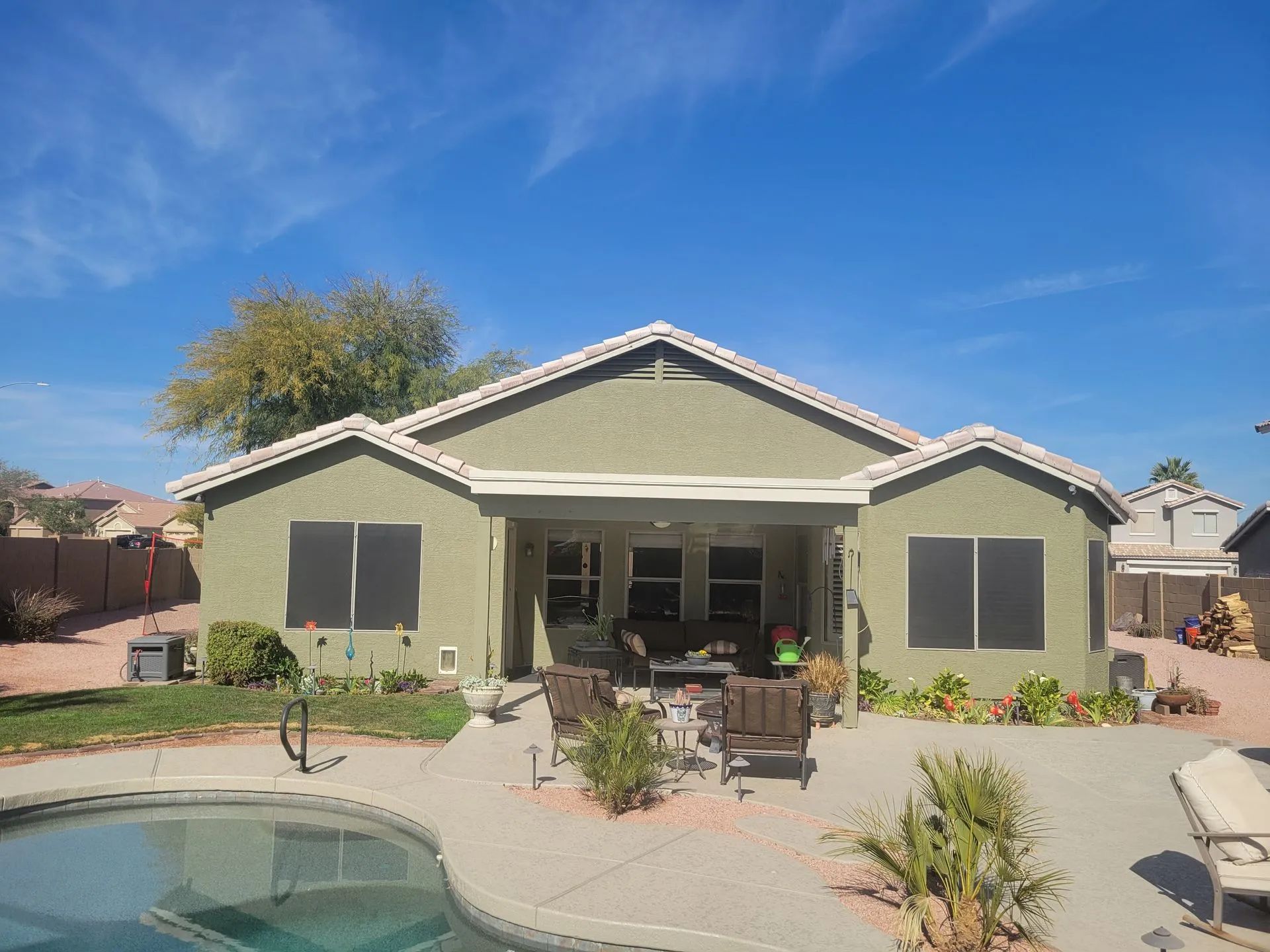
You run your hand along the sunny side of the house and it comes back dusted with a fine, pale powder, like flour. The wall that used to be a rich tan or a deep gray now looks flat, faded, almost ghosted. The shaded north face still holds its color, but the west and south walls that take the full afternoon sun have gone dull and chalky. It is not dirt, and washing it does not really bring the color back. Something has changed in the paint itself.
That powder has a name in the trade: chalking. And the fading that comes with it is not a sign your paint was cheap or that the last crew did something wrong, though those things can speed it up. It is the predictable result of years of ultraviolet light doing exactly what UV does to a coating. In this part of the country, where the sun is relentless for most of the year, it simply happens faster and more visibly than almost anywhere else. Here is what is actually going on inside that paint film, why the desert is so hard on it, and what a real fix looks like.
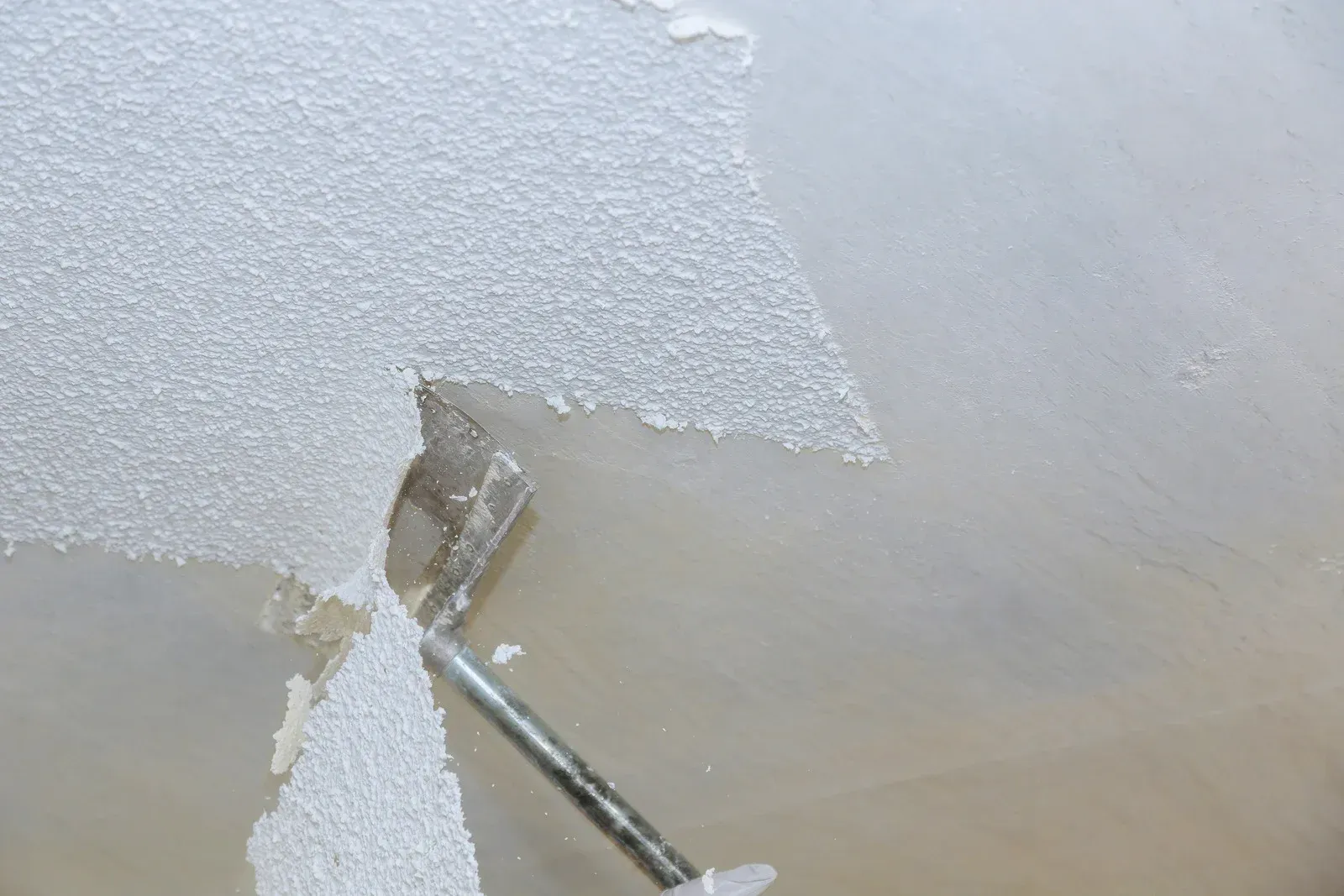
What Is a Popcorn Ceiling and Why Was It Used?
The powder is the paint breaking down
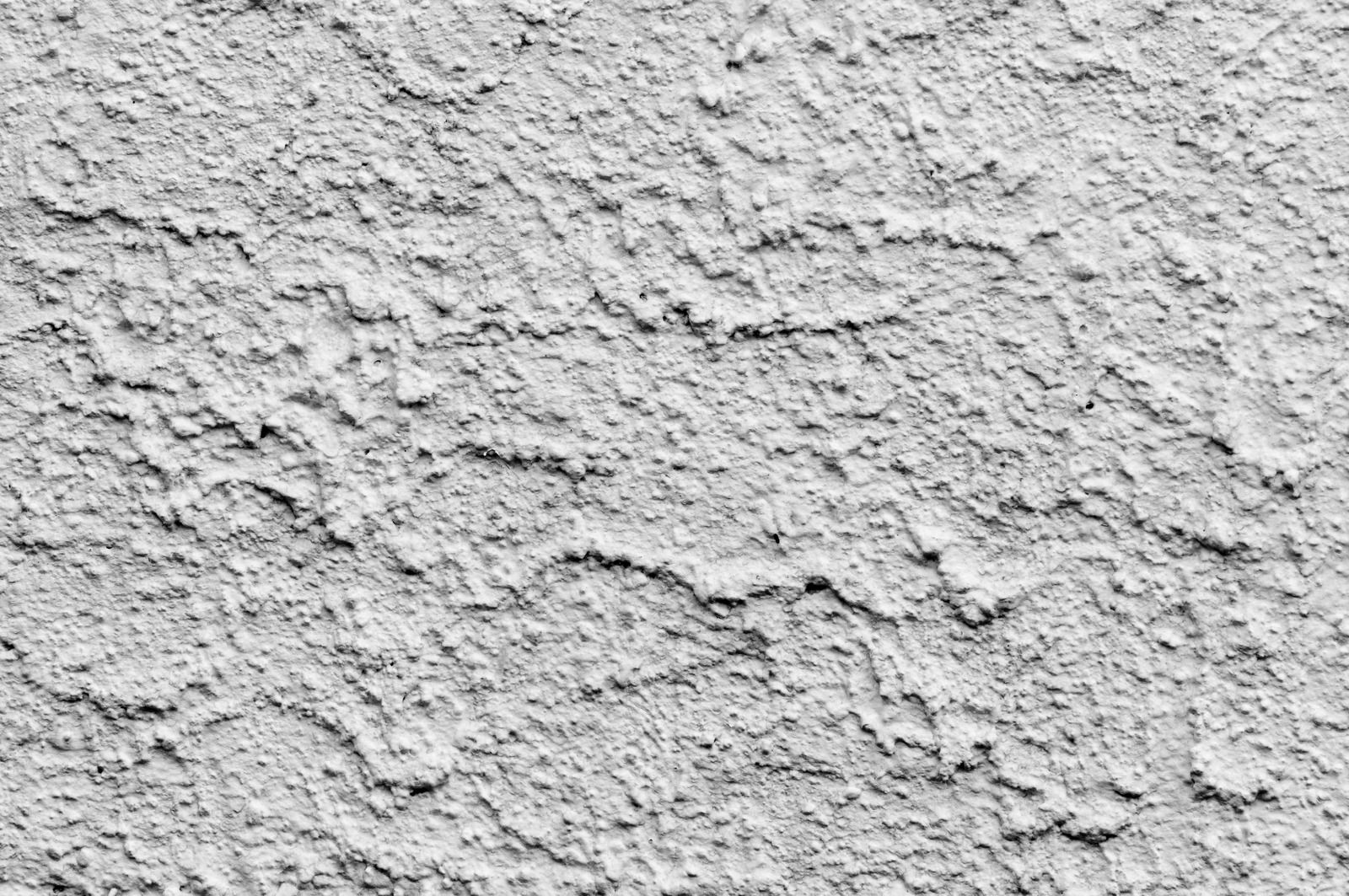
Every can of exterior paint is essentially two things working together: pigment, which gives the color and hides the surface, and a binder, the resin that glues those pigment particles to each other and to the wall. When the paint is healthy, the binder locks everything into a continuous, flexible film. Chalking is what you see when that binder starts to fail at the surface. As Dunn-Edwards describes it, UV rays break down the binder that holds the pigment in place, causing loose particles to rise to the surface as a powdery residue. Rub the wall, and you are literally wiping off pigment and filler that no longer has anything holding it down.
Fading is the color itself giving out
Alongside the binder breakdown, the pigments are taking their own beating. Ultraviolet radiation is harsh to the pigmentation of the paint, breaking down the color molecules so the shade looks washed out and pale over time. The two problems travel together: as the surface chalks away, it takes color with it, and the pigment that remains is itself being bleached. That is why a faded, chalky wall looks both lighter and duller than the day it was painted, not just dirty.
You can confirm it in seconds. Wipe a dark cloth or your bare hand across the surface. If it comes away with a dusty, powder-like film, that is chalking, and the paint has started to break down rather than simply gotten grimy. Light chalking means the film is still mostly sound; a thick, persistent powder that keeps returning after cleaning means the coating has degraded further and needs real prep before anything new goes on.
Why the Desert Sun Wears Paint Out So Fast
The exposure here is simply extreme
Paint degradation is driven by how much ultraviolet light a surface absorbs over time, and few places on earth deliver more of it than the Sonoran Desert. Phoenix logs roughly 3,872 hours of bright sunshine a year, a total the Climate of Phoenix record compares to the Sahara. A wall in Litchfield Park or Goodyear is soaking up UV nearly every daylight hour, month after month, with very little cloud cover to give it a break. The same coating that might quietly last its full rated life in a cloudier climate is being pushed hard here from the day it dries.
Heat and the low sun angle pile on
The west- and south-facing walls that take the brunt of the afternoon are the ones that fade first, because they catch the most direct, most intense light. Surface temperatures on a sun-baked stucco wall climb well above the air temperature, and that heat keeps the binder soft and working while the UV attacks it. Add the fine, blowing dust that settles into a chalking surface and the sudden wet-dry swing of monsoon storms, and you have a set of conditions that finds every weakness in a coating and exploits it. None of this means your paint failed early. It means it lived a hard life.
Color choice changes the pace
Not every wall fades at the same rate, and it is not random. Bright blues, yellows, and reds are more vulnerable to UV-driven fading, and darker colors absorb more light and heat, which speeds the breakdown. Paints built with inorganic pigments tend to hold up better against UV than those relying on organic colorants. That is why a deep, saturated body color on the sunny side often looks tired long before a soft, light neutral on the same house.
Tip: Before you write off the whole house, walk each elevation and look at it side by side. The north face usually holds its color and stays firm while the west and south walls chalk and fade. That contrast tells you the sun is the driver, and it helps a painter judge whether the whole exterior needs recoating or whether the shaded sides still have life left in them.
How a Faded, Chalky Exterior Gets Fixed the Right Way
It starts with an honest look at the surface
The first job is to gauge how far the breakdown has gone. Light chalking on an otherwise sound film can often be washed and recoated. Heavy chalking, widespread fading, and any peeling mean the coating has degraded to where it needs full prep, not a quick refresh. A painter checks each elevation, because the sunny walls and the shaded walls are frequently at very different stages.
Then comes the washing that most people underestimate
Pressure washing and hand scrubbing remove the chalk, dust, and failing surface paint so the new coating has clean, stable material to grab. This is not an optional nicety. Once paint has started to fade and chalk, the accepted fix is to pressure wash or scrub away all the surface paint and chalking first, then repaint. Leftover powder is the enemy of adhesion, so the goal is a surface that no longer leaves residue on your hand.
Bare, porous, or still-powdery spots get primed
Where washing exposes raw stucco or masonry, or where some chalk stubbornly remains on a sound wall, a bonding or chalk-binding primer creates the grip the finish coat needs. On thirsty desert surfaces this step is what keeps the new paint from sinking in and failing early.
Finally, a quality UV-resistant finish goes on
The last coat should be a premium exterior product with real UV resistance, ideally a 100 percent acrylic formula built to resist weathering and hold its color. Lighter shades and inorganic-pigment colors on the punishing sun-facing walls buy extra years before the cycle starts again. Applied at the right film thickness over properly prepped stucco, that is what turns a chalky, faded exterior back into a durable, even finish that holds up to the desert instead of surrendering to it.
Frequently Asked Questions
Is chalky paint a sign my paint was defective?
Usually not. Chalking is the natural result of years of ultraviolet exposure breaking down the paint binder. Lower-quality coatings fail sooner, but even premium exterior paint eventually chalks after prolonged exposure to Arizona's harsh desert sunlight.
Can I just wash the chalk off and leave it?
Washing removes loose powder and temporarily improves appearance, but it cannot restore faded color or damaged paint binder. Once chalking repeatedly returns after cleaning, repainting with proper preparation becomes necessary to protect exterior surfaces again.
Why do only some walls of my house look faded?
Different walls receive different amounts of direct sunlight throughout each day. South- and west-facing walls experience stronger ultraviolet exposure and heat, causing faster fading, while shaded areas retain their color and finish much longer overall.
Does the paint color really affect how fast it fades?
Yes. Bright reds, yellows, and blues fade faster under intense ultraviolet exposure, while darker colors absorb additional heat that accelerates deterioration. Lighter shades with durable inorganic pigments generally maintain their appearance longer in desert conditions.
How often does an exterior need repainting in this climate?
Most homes require repainting every seven to ten years, depending on sun exposure, weather conditions, surface materials, and previous paint quality. Monitoring fading, chalking, and coating wear provides better guidance than relying only on age alone.
Can new paint be applied right over a chalky surface?
No. Fresh paint cannot properly adhere to loose chalky residue, leading to premature peeling and failure. Thorough washing, surface preparation, and chalk-binding primer create the stable foundation needed for a durable, long-lasting exterior finish lasting.
Bringing a Sun-Worn Exterior Back to Life
A faded, chalky exterior is the desert sun writing its signature on your house. The powder on your hand is the binder giving out, the washed-out color is UV bleaching the pigment, and the reason it shows up on the west and south walls first is simply that those sides take the hardest light. None of it means you did anything wrong. It means the coating did its job for years and has reached the end of the road. The right response is not another coat over the powder, but real prep: an honest assessment of each elevation, a thorough wash to clear the chalk, primer where the surface needs grip, and a quality UV-resistant finish built for this climate.
Schedule an exterior assessment — When the sunny side of your home has gone faded and chalky, the fix is not a quick coat over the powder but proper washing, chalk-binding primer where it is needed, and a durable UV-resistant finish applied to a sound surface. With 35
years of experience, J&M Painting Services
reads each elevation the way the desert sun has treated it, clears the chalk that ruins adhesion, and recoats with premium products chosen to hold their color on Arizona's punishing sun-facing walls. Proudly serving Litchfield Park and Maricopa County, Arizona, we deliver
exterior painting solutions built for the region's intense UV exposure and harsh climate. Reach out to book an exterior walkthrough and get a finish built to stand up to the sun instead of surrendering to it.