
Popcorn Ceiling Removal: Upgrade Your Home with a Modern Look
June 17, 2026
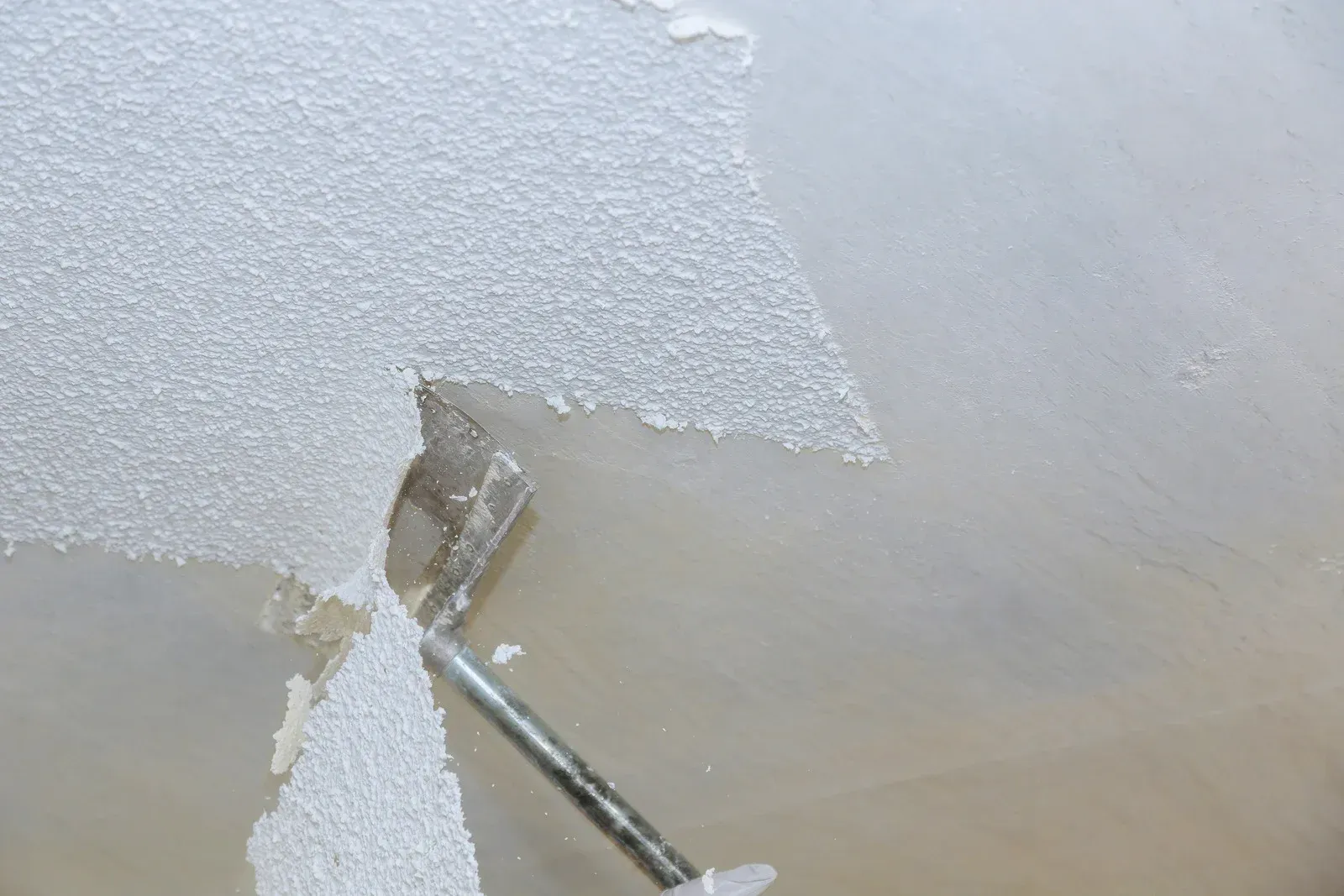
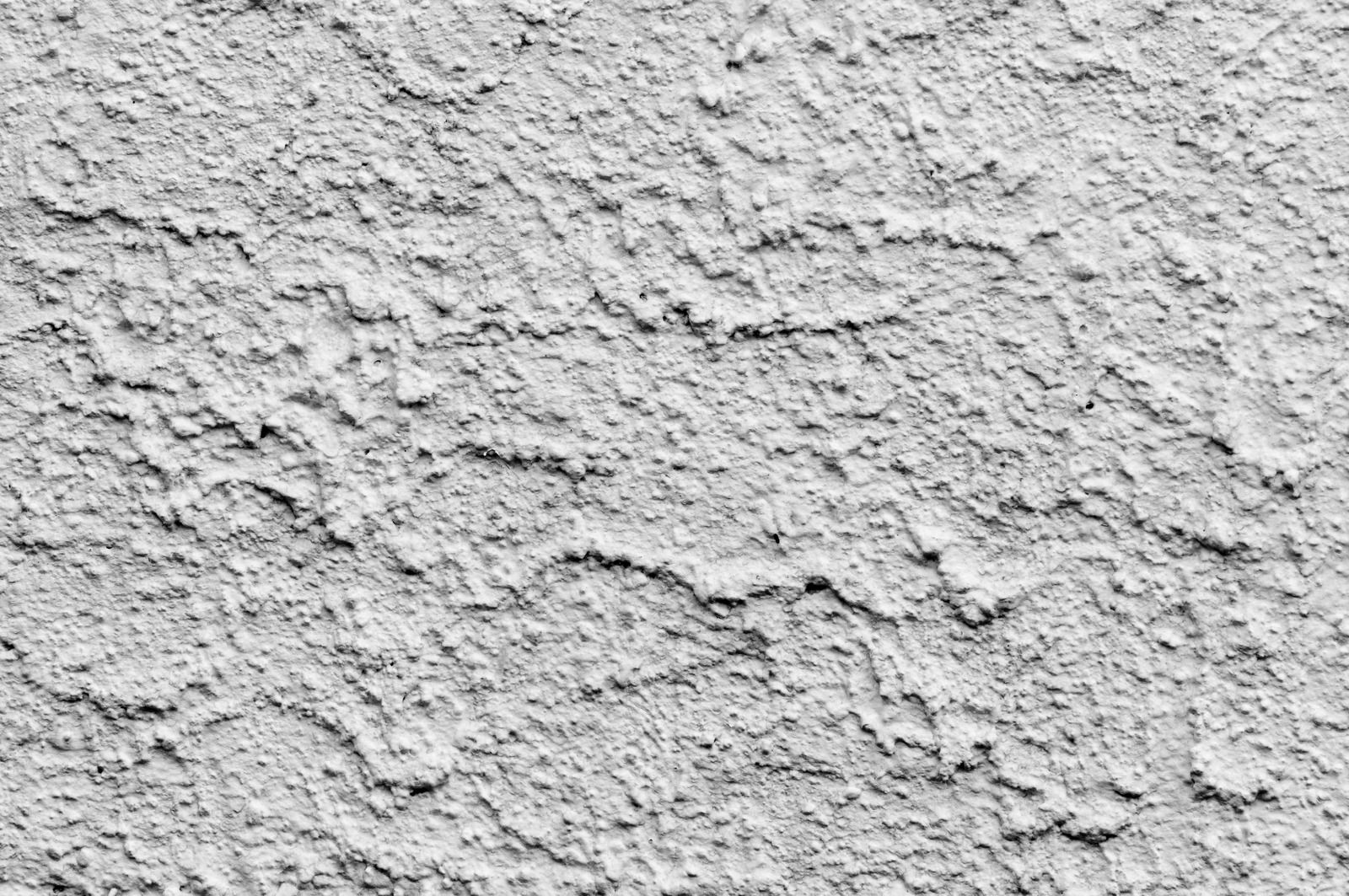
Walk into almost any home built before the 1990s, and you will likely find a familiar sight overhead: a rough, bumpy ceiling texture that once passed as stylish. Popcorn ceilings, also called acoustic or cottage cheese ceilings, were a standard finishing choice for decades. Contractors applied them because the texture hid surface imperfections and supposedly dampened sound. At the time, that combination seemed like a practical win. Over the years, however, design preferences shifted, and those textured ceilings started to feel dated rather than charming.
Today, smooth ceilings are the baseline expectation in renovated and newly built homes. Buyers notice ceiling texture. Interior designers plan around it. Real estate professionals consistently advise sellers to address it before listing. Whether you are preparing a home for sale, refreshing a space you have lived in for years, or starting a full interior renovation, understanding what popcorn ceiling removal actually involves will help you make confident decisions at every stage.
What Is a Popcorn Ceiling and Why Was It Used?
Popcorn ceiling texture is a spray-applied finish that creates a rough, pebbled surface. It gained widespread use from the 1950s through the late 1980s for several practical reasons.
The original appeal
Builders and contractors favored the texture because it was fast to apply and required no additional finishing work after the spray dried. It covered drywall seams, nail pops, and uneven surfaces without sanding or priming. It also reduced echo in rooms with hard floors, which made it a common choice in bedrooms and living areas.
The asbestos concern
Here is the complication that most homeowners eventually face: popcorn texture applied before 1978 may contain asbestos. Asbestos was added to the mixture to improve durability and fire resistance. When the material is intact and undisturbed, it poses minimal risk. The danger arises when it is sanded, scraped, or disturbed during removal, releasing microscopic fibers into the air.
Before removing any popcorn ceiling in a home built prior to 1980, a certified asbestos inspector should test a sample. This is not optional caution; it is a necessary safety step. If asbestos is present, removal must follow specific containment and disposal protocols.
How Popcorn Ceiling Removal Works
The removal process varies depending on whether the ceiling has been painted over and whether asbestos is present. Here is a breakdown of the standard approach for non-asbestos ceilings.
Surface preparation
The room must be completely cleared. Furniture, light fixtures, and ceiling fans are removed or covered. Floors and walls are protected with heavy plastic sheeting because the scraping process creates significant debris and moisture.
Wetting the texture
Water is the primary tool. A pump sprayer saturates the texture in manageable sections, allowing it to soften over 15 to 20 minutes. Painted popcorn ceilings resist water absorption, which is why unpainted texture is considerably easier to remove. In painted cases, light scoring of the surface may be needed to allow moisture to penetrate.
Scraping
A wide drywall knife or ceiling scraper is used to remove the softened texture. The goal is to clear the material without gouging the underlying drywall. This requires a steady hand and consistent pressure. Any gouge in the drywall paper face will require additional repair work before the ceiling can be finished.
Repair and finishing
After scraping, the ceiling rarely looks ready to paint. Skim coating is almost always necessary. A thin layer of joint compound is spread across the surface, allowed to dry, and then sanded until the ceiling is flat and uniform. This step determines the final visual result and should not be rushed.
The Case for Professional Removal
DIY tutorials make popcorn ceiling removal look manageable, and for a small bathroom with no history of asbestos, it sometimes is. For most homes, though, professional removal delivers better results with fewer complications.
Drywall damage risk
The scraping process is where most DIY attempts go wrong. Pressing too hard or working a dry section gouges the drywall paper, which then requires skim coating the entire ceiling rather than spot repairs. Professionals understand exactly how much pressure to apply and how wet the texture needs to be before scraping begins.
Skim coating expertise
Achieving a truly flat ceiling after removal requires skill with joint compound. Feathering edges, managing drying time, and sanding without creating low spots are techniques that take experience to master. A ceiling that looks smooth under artificial light can reveal ripples and ridges the moment natural light hits it at an angle.
Time and labor
A single room can take an entire weekend for an inexperienced person to scrape, repair, and prime. A professional crew moves through the same space in a fraction of the time and arrives with the right tools, including proper respirators, professional-grade scrapers, and mixing equipment for joint compound.
Finishing Options After Removal
Once the ceiling is smooth, you have more design choices than a flat white paint finish.
| Finish Option | Best For | Key Characteristic |
|---|---|---|
| Flat white paint | Most interiors | Hides minor imperfections, standard look |
| Eggshell or satin | Kitchens, bathrooms | Slight sheen, easier to clean |
| Skim coat only | Minimal aesthetic | Raw drywall compound left natural |
| Light orange peel texture | Transitional spaces | Subtle texture, more forgiving than flat |
| New knockdown texture | Rustic or transitional | Replaces one texture with a cleaner version |
Flat paint remains the most popular choice after removal because it completes the modern, uninterrupted look that motivates most homeowners to undertake the project in the first place.
Impact on Home Value and Interior Appeal
Removing popcorn ceilings is one of the few renovation projects that improves a home on multiple levels simultaneously.
Visual spaciousness
Smooth ceilings reflect light more evenly. Rooms feel larger and brighter without the shadows created by a rough, bumpy surface. This effect is particularly noticeable in rooms with lower ceiling heights, where the texture previously made the space feel compressed.
Buyer perception
Real estate professionals note that popcorn ceilings can signal deferred maintenance to prospective buyers, even when the rest of the home is well kept. Addressing the ceilings before listing removes an objection before it surfaces during showings or inspections.
Design flexibility
Smooth ceilings work with every interior design direction, from minimalist to traditional. They do not date a home the way textured ceilings do, which means the investment holds up regardless of how design preferences continue to shift.
Skilled Finishing That Maricopa County Homeowners Rely On
Popcorn ceiling removal is a meaningful home improvement that combines safety awareness, surface preparation, skilled finishing, and informed decision-making. Understanding the asbestos testing requirement protects your household. Knowing the scraping and skim-coating process helps you set realistic expectations. Recognizing the impact on light, space, and buyer perception makes the investment easier to justify. A smooth ceiling is not just a cosmetic upgrade; it is a foundational change that raises the quality of every space it touches.
At J&M Painting Services, we bring over 35 years of hands-on experience to interior and exterior painting projects across Litchfield Park and Maricopa County, Arizona. Popcorn ceiling removal is a natural extension of our interior painting work because the two are inseparable in practice. A freshly scraped and skim-coated ceiling needs paint that is applied with precision, and we understand how to deliver a result that holds up in Arizona's climate while matching the visual standard modern interiors demand.
We handle the full process, from surface preparation and texture removal through skim coating, priming, and final paint application. Our knowledge of local building materials and regional conditions means we approach each ceiling with the specific understanding that Arizona homes require. When you work with us in Litchfield Park or anywhere across Maricopa County, you get the benefit of decades of interior finishing expertise applied to one of the most impactful upgrades a home can receive. We take ceiling work seriously because the ceiling sets the tone for everything below it.
Frequently Asked Questions
Do I need to test for asbestos before removing a popcorn ceiling?
If your home was built before 1980, testing is strongly recommended before any removal work begins. A certified inspector collects a small sample and sends it to a laboratory for analysis. This step protects everyone in the household from potential fiber exposure.
Can popcorn ceilings be painted over instead of removed?
Painting over texture is possible and less disruptive in the short term. However, it does not remove the visual bulk of the texture, and it makes future removal more difficult because paint seals the surface against water penetration during scraping.
How long does the removal process take for a standard room?
A professional crew can typically scrape, repair, and prime a standard bedroom or living room ceiling within one to two days, depending on ceiling height, the condition of the underlying drywall, and whether skim coating is required.
Will removing the texture damage my drywall?
Scraping inevitably creates some surface damage, particularly to the drywall paper face. This is normal and expected. A skim coat of joint compound applied after scraping addresses these imperfections and creates the smooth surface needed for paint.
Is a smooth ceiling harder to maintain than a textured one?
Smooth ceilings are actually easier to clean and repaint than popcorn texture. Touch-ups blend more naturally, and there are no ridges or bumps to collect dust or make spot repairs visible.