
Exterior Painting Secrets to Boost Curb Appeal and Protection
December 22, 2025
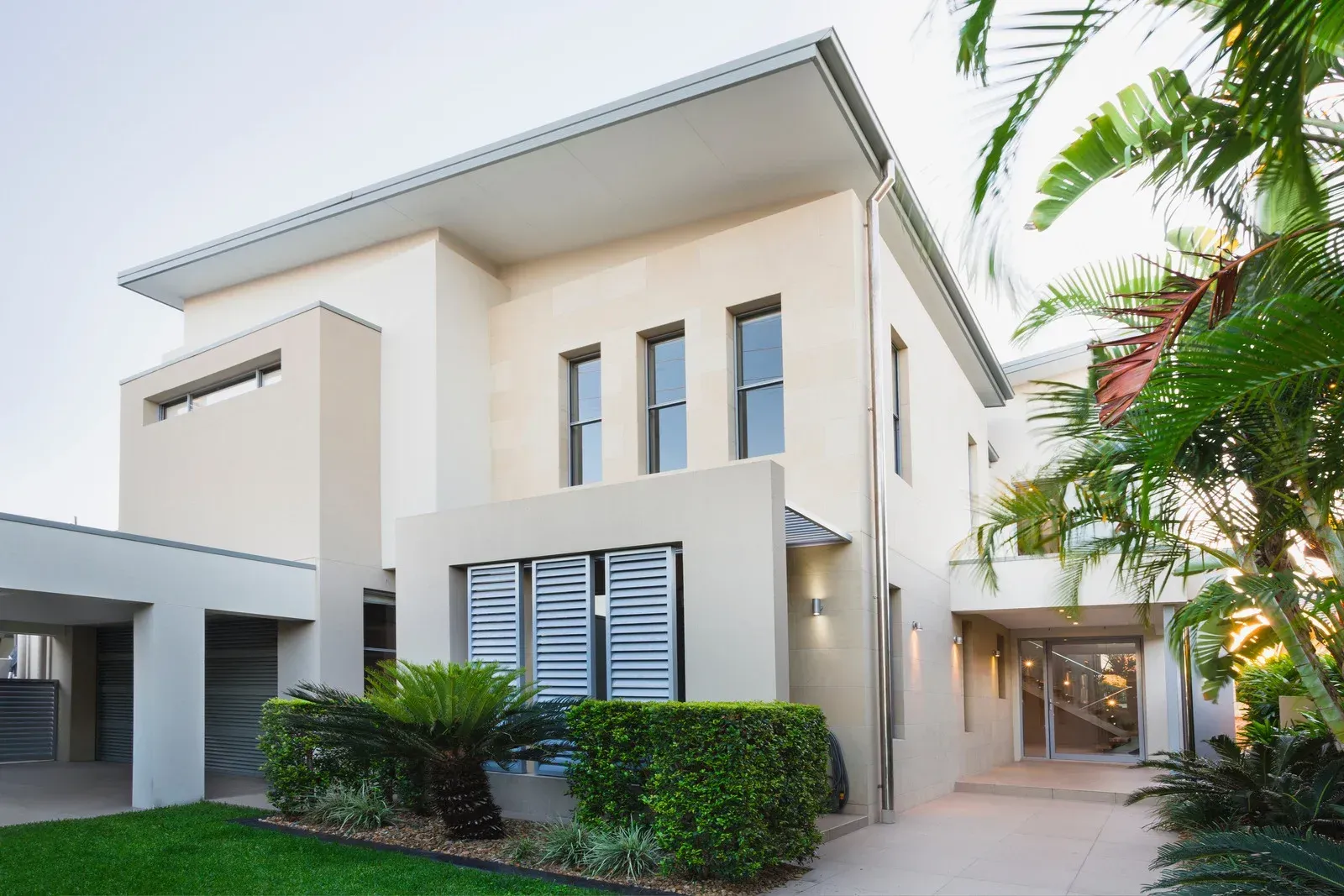
A well-maintained exterior is more than just a visual treat; it is the first impression your home offers to visitors, neighbors, and potential buyers. Beyond aesthetics, the exterior paint serves as a critical line of defense against harsh weather conditions, UV exposure, and environmental pollutants. Every homeowner understands that peeling, fading, or chipped paint can significantly diminish the overall appeal of a property. Therefore, investing in professional-quality exterior painting is not merely a cosmetic upgrade—it’s a strategic step to enhance both beauty and durability. In today’s competitive real estate and home improvement market, homeowners increasingly recognize that high-quality exterior painting can directly influence property value and long-term maintenance costs.
Achieving an exterior that looks flawless and lasts requires more than a simple color choice. It involves proper surface preparation, selecting the right paint and tools, and understanding the nuances of application techniques. Experts emphasize that the right combination of preparation, products, and methods can extend the lifespan of a paint job, protect structural elements, and elevate curb appeal. This guide explores actionable strategies, practical insights, and professional tips for homeowners who wish to transform their exteriors into visually stunning and resilient spaces, ensuring long-lasting value and beauty.
Preparing Surfaces for Lasting Results
Assessing the Condition of Your Exterior
Before picking a paint color or type, it’s essential to evaluate the current state of your home’s exterior. Inspect siding, trim, stucco, or masonry for cracks, rot, or peeling paint. Ignoring minor damages can lead to larger issues post-painting, such as moisture infiltration or uneven coverage. Real-world examples show that homes with neglected surface preparation often require repainting within just a few years. In addition, assessing problem areas allows homeowners to budget effectively for repairs, avoiding unexpected costs and delays during the painting process.
Cleaning and Power Washing
Cleaning the exterior removes dirt, mildew, and pollutants that prevent paint from adhering properly. Using a pressure washer at the correct pressure ensures deep cleaning without damaging surfaces. Experts recommend combining power washing with environmentally friendly cleaning solutions to eliminate mold or mildew. A thoroughly cleaned surface allows paint to bond effectively, enhancing durability. Moreover, regular cleaning before painting reduces the risk of surface contamination, which can lead to premature peeling and uneven finishes.
Repairing and Sanding
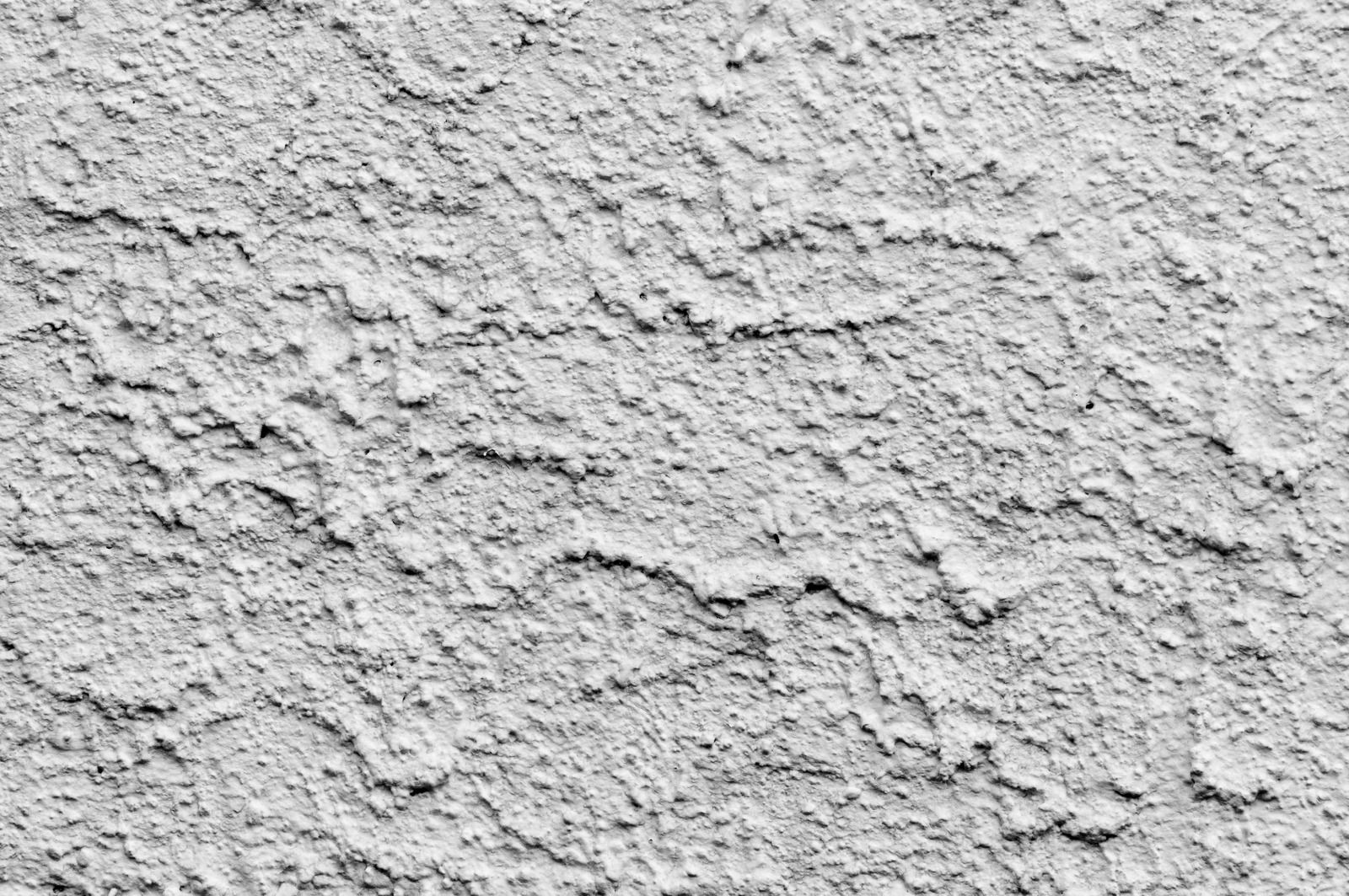
Surface repairs are vital for achieving a professional finish. Replace rotted wood, fill cracks, and sand rough areas to create a smooth base. Sanding ensures that new paint layers adhere consistently, minimizing peeling or bubbling over time. For stucco or masonry, patching compounds and sealants prevent water penetration, protecting the structure beneath the paint layer. Taking the time to repair and sand properly also prevents paint wastage and reduces the likelihood of multiple coats being required, saving both time and money in the long run.
Choosing the Right Paint and Materials
Understanding Paint Types
Selecting the appropriate paint type is critical for both appearance and protection. Acrylic latex paints are widely recommended for exteriors due to their flexibility, weather resistance, and long-lasting color retention. Oil-based paints, though durable, are less commonly used today because of environmental regulations and longer drying times. Consider surface material and local climate when making your choice. Additionally, modern exterior paints often include mildewcides and dirt-resistant technology, which helps maintain color and finish over extended periods, reducing maintenance efforts.
Color Selection and Visual Impact
Color can dramatically influence curb appeal. Light colors reflect sunlight and reduce heat absorption, while darker shades highlight architectural details. For homes in sunny climates, using UV-resistant paints can prevent fading and maintain vibrancy. Real-world cases show that strategic color contrast between siding and trim can make a home appear larger and more visually appealing. Choosing complementary accent colors for doors, shutters, and trim can further enhance visual depth and create a welcoming, cohesive look that draws attention to the home’s best features.
Primer and Sealants
Applying a high-quality primer before painting ensures better adhesion, uniform color, and increased paint longevity. Primers are particularly crucial when covering stains, repairing damaged surfaces, or painting over a darker color. Sealants and weatherproof coatings offer an additional layer of protection against water damage, mold growth, and UV exposure, extending the lifespan of your exterior finish. In addition, using primers that are compatible with both the surface and the topcoat paint can prevent issues like peeling, cracking, or uneven color, ensuring a flawless and long-lasting finish.
Techniques for a Professional Finish
Brush, Roller, or Spray: Choosing Application Methods
Each painting method has advantages. Brushes offer precision for trim and detailed areas, rollers cover broad surfaces efficiently, and sprayers provide an even coat for large, textured exteriors. Professionals often combine these methods to achieve uniform coverage and minimize imperfections. Choosing the right method for the specific surface type can reduce wasted paint and labor, while also allowing painters to reach difficult areas without compromising quality.
Layering and Drying Best Practices
Applying paint in multiple thin layers, rather than a single thick coat, ensures durability and prevents streaking. Allowing each layer to dry thoroughly reduces bubbling and peeling. Experts recommend adhering strictly to manufacturer-recommended drying times and environmental conditions, as factors like humidity and temperature affect curing. Furthermore, layering improves color depth and texture, creating a richer, more professional appearance that stands out and resists fading over time.
Attention to Details
Details such as trim, eaves, gutters, and shutters contribute significantly to overall appeal. Painting these elements carefully enhances the architectural integrity of your home. Masking tape, careful edging, and consistent technique prevent visible mistakes and give a polished appearance. Real-world projects show that homeowners who invest time in detail-oriented work achieve finishes that last 10–15 years, compared to 5–7 years for rushed or unprofessional jobs. Attention to details also adds resale value, as buyers notice the quality craftsmanship that reflects proper care and maintenance.
Protecting Your Investment
Weatherproofing and Moisture Protection
Exterior paint acts as a barrier against rain, snow, and humidity. Choosing weather-resistant paints and sealants protects structural components like wood, stucco, and metal. In regions prone to heavy rain or strong sunlight, investing in premium protective coatings can prevent premature wear, rot, and discoloration. Combining paint with waterproofing sealants on vulnerable areas like window sills and fascia boards further safeguards against leaks and structural damage over time.
Preventing Damage from Sun and UV Exposure
UV radiation breaks down paint pigments, causing fading and chalking. High-quality, UV-resistant paints slow degradation and maintain color vibrancy longer. Experts also recommend lighter colors for sun-exposed walls, reducing heat absorption and mitigating structural stress over time. Adding protective clear coatings on high-exposure areas can enhance resistance to sun damage while maintaining the aesthetic quality of the original paint.
Regular Maintenance and Touch-Ups
Even the best paint requires occasional upkeep. Regular inspections, cleaning, and touch-ups prevent minor issues from escalating. For instance, repainting trim or repairing small cracks early can save thousands in future maintenance. Developing a maintenance schedule ensures long-term protection and sustained curb appeal. Additionally, documenting areas that need attention each year allows homeowners to plan proactive maintenance, ensuring consistent quality and minimizing large-scale repairs.
Enhancing Curb Appeal Through Strategic Design
Highlighting Architectural Feature
Professional painters and designers emphasize the role of paint in showcasing a home’s architectural elements. Contrasting colors for shutters, doors, and trim can create visual interest and make features like gables, columns, or bay windows stand out. Combining textures and finishes, such as matte and semi-gloss paints, can also accentuate details, giving the home a more sophisticated and curated look.
Coordinating with Landscaping
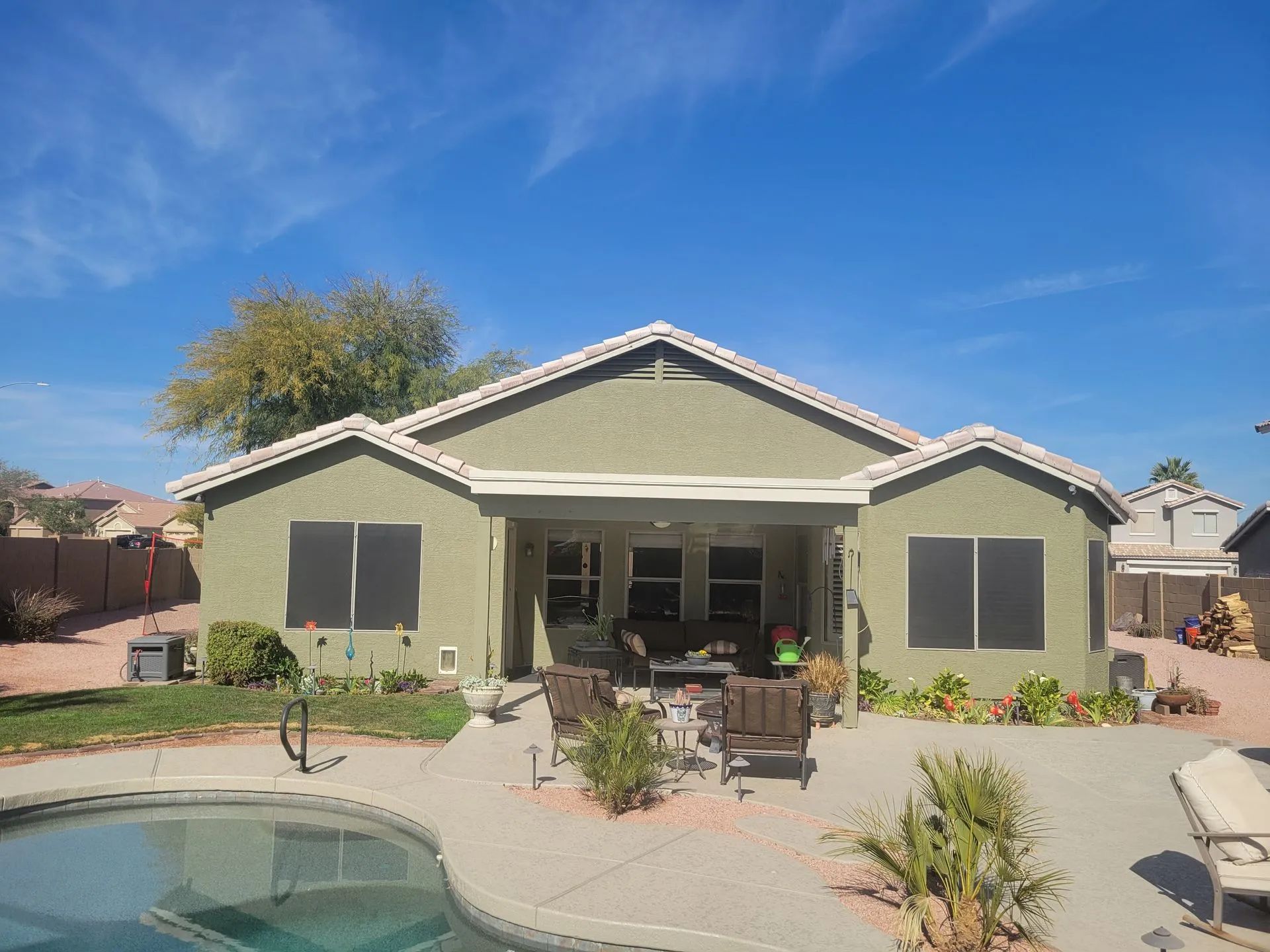
The exterior paint palette should harmonize with landscaping, fences, and hardscapes. For example, earthy tones pair well with natural stone or desert landscaping, while cool neutrals complement lush greenery. Thoughtful coordination between paint and surroundings elevates the overall aesthetic and creates a cohesive look. Additionally, considering seasonal changes in landscaping, such as flowering plants or foliage, can influence color choices that remain visually appealing year-round.
Real-World Transformations
Homes with outdated or mismatched exteriors can experience dramatic transformations through expert painting. Case studies demonstrate that well-executed exterior painting not only boosts curb appeal but can also positively affect property value. Buyers are often drawn to homes with visually appealing, well-maintained exteriors, making painting a strategic investment. Furthermore, neighborhoods with a consistent and attractive paint standard can increase community property values, highlighting the broader benefits of professional exterior painting.
Enhance Home Aesthetics While Safeguarding Structural Integrity
Exterior painting is both an art and a science, blending aesthetics with practical protection. From meticulous surface preparation to the strategic selection of paints, primers, and application techniques, each step contributes to a long-lasting and visually appealing finish. Thoughtful color choices, attention to architectural details, and proper weatherproofing extend the life of the paint while enhancing curb appeal. Regular maintenance and professional insights ensure that your exterior remains resilient and vibrant for years to come.
For homeowners seeking a reliable, experienced partner for exterior painting in Arizona, J&M Painting Services
stands out as a trusted authority. With 35
years of experience serving Litchfield Park and Maricopa County, our team combines technical expertise with a commitment to excellence. We specialize in transforming homes with durable, stunning finishes that withstand Arizona’s unique climate challenges. By leveraging professional-grade products, industry best practices, and a keen eye for design, J&M Painting Services
ensures your investment delivers both beauty and protection, elevating your home’s value and curb appeal.